When Every Drain Slows Down Together
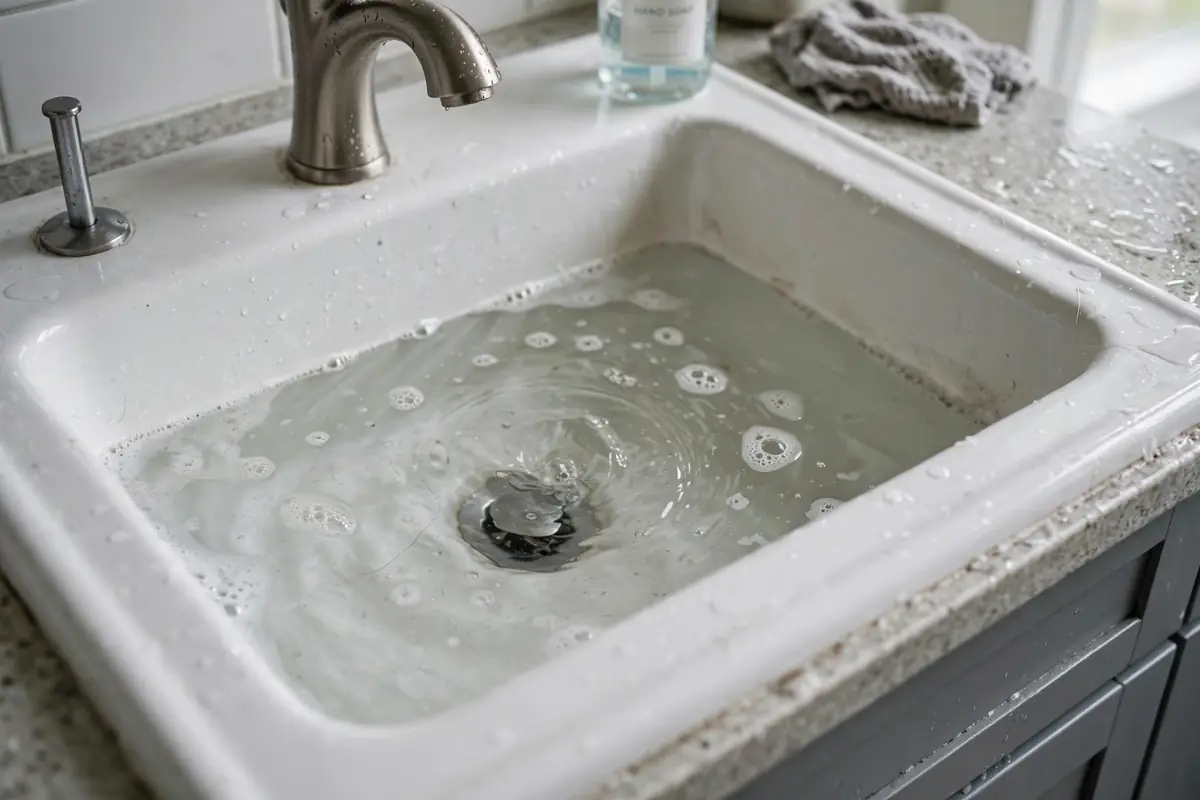
A single slow sink is usually a local clog in that fixture's drain. When the kitchen sink, the bathroom sink, and the tub all drain slowly in the same week, the problem sits downstream where those lines join: the main sewer line. Debris, grease, and scale narrow the main gradually, and drains across the house slow in step because they all share the same exit. Homeowners often treat each drain separately with a plunger or a chemical cleaner, which can clear a trap but does nothing for a narrowing main. Tracking which drains are slow, and whether the lowest fixtures in the house are affected first, tells a plumber where the restriction lives before any equipment comes out.
Gurgling, Bubbles, and Strange Fixture Behavior
Gurgling is your plumbing talking about air. A healthy sewer line vents air through the roof vent so wastewater flows quietly. When the main line is partially blocked, flushed water pushes air ahead of it, and that air escapes through the nearest water trap, bubbling up in a tub or sink. Related signs include a toilet that bubbles when the shower runs, water rising in a shower drain when the toilet flushes, and floor drains that burp sewer gas into the room. These cross fixture symptoms are the clearest evidence that the problem is the shared main line rather than any single drain, and they tend to get worse, not better, if ignored.
The Sewer Cleanout and What It Reveals
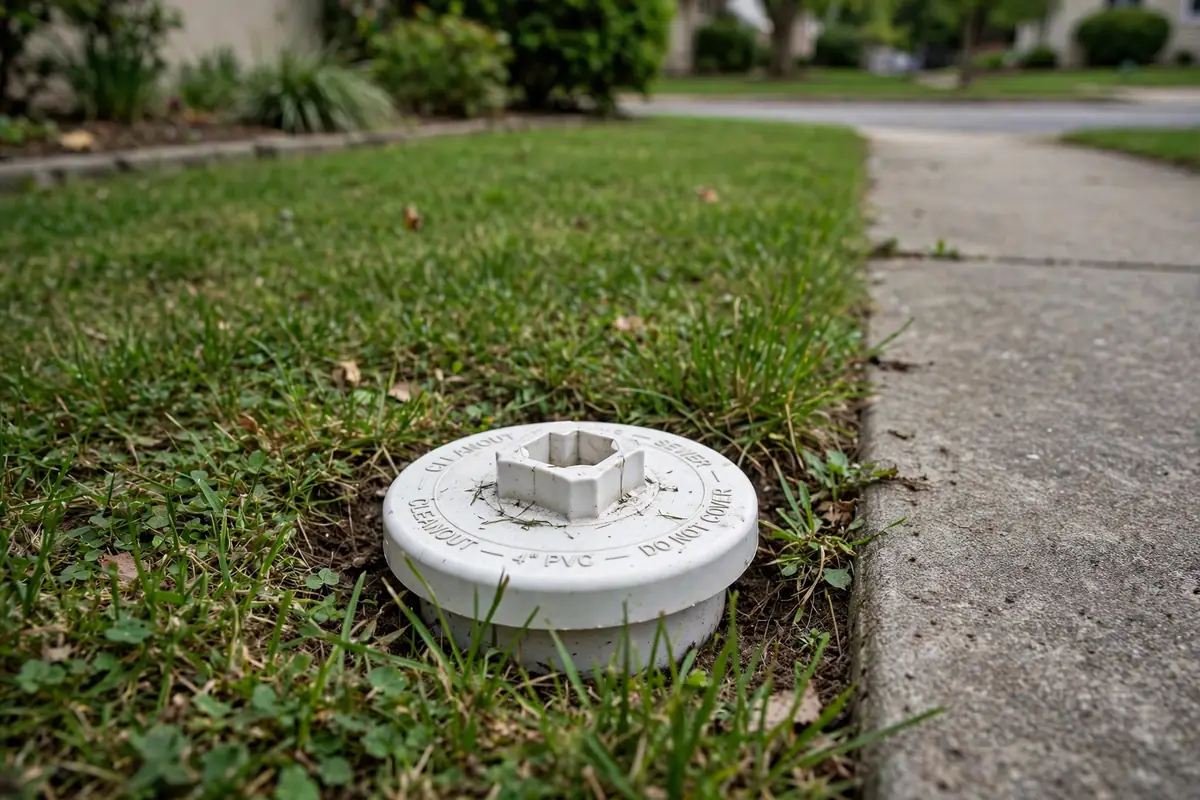
The sewer cleanout, a capped access pipe usually near the front or side of the house or inside near the main stack, is the sewer line's inspection window. If you remove the cap carefully and find standing water or sewage in the cleanout, the blockage is between that point and the street. If the cleanout is dry while fixtures back up, the clog is inside the house piping. A cleanout that overflows when you run water is a definite call a plumber sign, because sewage at the cleanout means the main cannot carry flow at all. Older Carson homes sometimes have cleanouts that are buried, capped under concrete, or missing entirely, and adding an accessible cleanout is one of the most useful upgrades a sewer evaluation can recommend.
Roots, Aging Pipe, and the Carson Yard Clues
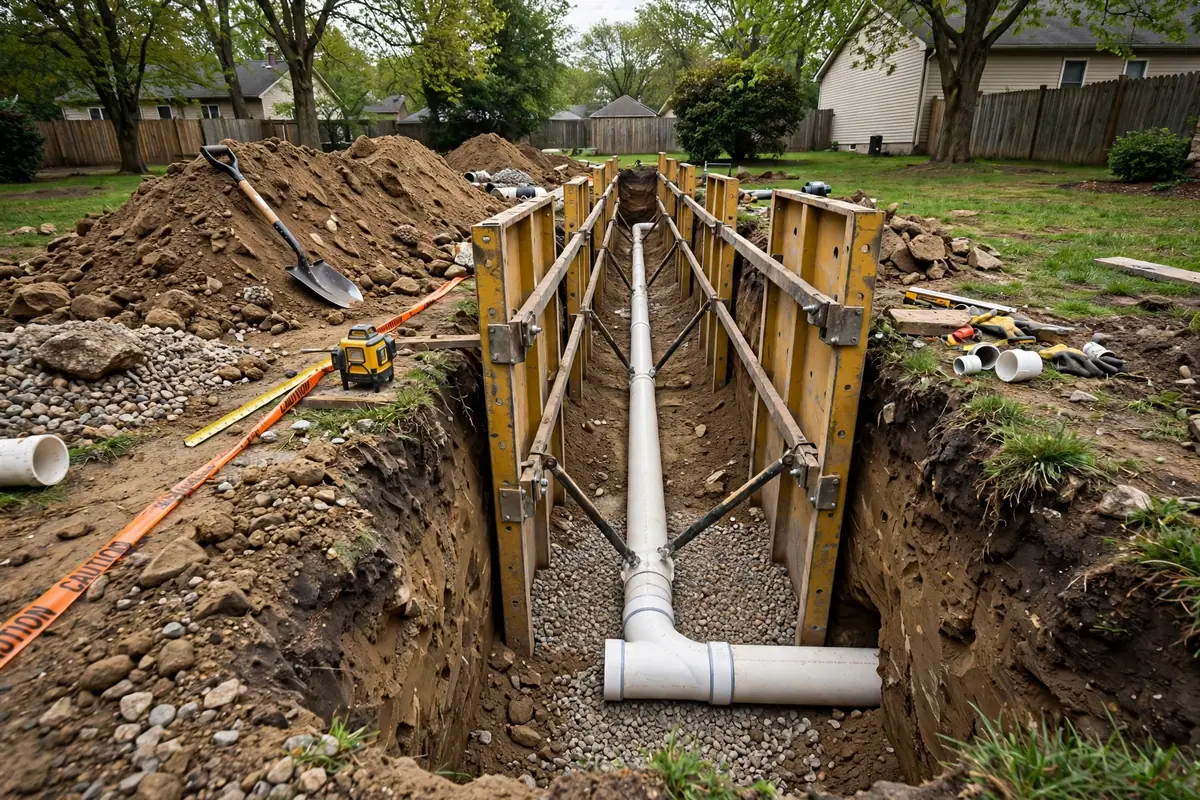
Tree roots are the classic sewer line invader: they sense moisture at pipe joints and grow into the line, catching paper and grease until the passage nearly closes. Aging clay and cast iron sewer lines, common under postwar Carson housing, crack, shift at the joints, and develop rough interiors that snag debris. Outside, the yard keeps receipts. A strip of grass over the sewer run that stays greener and lusher than the rest of the lawn is often feeding on a leaking line. Soft or sunken soil above the pipe, persistent sewer odor outdoors, and mushroom growth along the line's path all point the same direction. South Bay trees planted decades ago now have root systems that reach most residential sewer lines, which is why sewer problems cluster in established neighborhoods.
Camera Inspection Ends the Guessing
Because the main line is buried, the only way to know its condition is to look. A camera inspection sends a small camera through the sewer cleanout and shows roots, cracks, bellied sections where the pipe sags and holds water, and grease buildup in real time. That footage turns a vague worry into a specific plan: hydro jetting for roots and grease, a spot repair for a single cracked joint, or replacement for a line that is failing along its length. Without it, every recommendation is a guess. If your home shows two or more of these warning signs, call Carson Pipe Pros at (123) 456-7890 and ask about a camera inspection before a slow main becomes a full sewage backup.
While you wait for the inspection, ease the load on the line. Spread out laundry and dishwasher runs instead of stacking them, avoid flushing anything beyond waste and toilet paper, and keep an eye on the lowest drain in the house, usually a floor drain or a ground floor tub, since that is where a worsening main announces itself first. None of this fixes the line, but it lowers the chance of a full backup in the days before the camera goes in.
Questions About Sewer Line Warning Signs Carson Homeowne
What does it mean when my toilet gurgles?
Gurgling usually means air is being pushed through traps because the sewer line is partially blocked or venting is restricted. It is an early warning worth checking.
Where is my sewer cleanout located?
Common spots are the front or side yard near the house, or indoors at the base of the main stack. It is a pipe with a removable cap, sometimes square headed.
Can tree roots really break a sewer line?
Yes. Roots enter through joints and hairline cracks, thicken inside the pipe, and can crack clay and cast iron lines further as they grow.
One slow drain or all slow drains: why does it matter?
One slow drain points to that fixture's branch line. Several slow drains point to the shared main sewer line, which needs a different fix.